
Your current website is obsolete. The search landscape has fundamentally changed, and most Chattanooga business owners haven't noticed yet. But the shift is irreversible, and it's happening faster than anyone expected.
For two decades, Google search was the gateway to customer discovery. Business owners optimized for keywords, built backlinks, and chased rankings. That era is over. In 2026, AI assistants like ChatGPT, Claude, Google Gemini, and Grok are replacing the traditional blue links of Google Search. Users are asking questions directly to AI, and these models are synthesizing answers from across the web — without necessarily directing traffic to your website.
The question is no longer "Will my business show up in Google?" It's "Will my business show up in AI search results?" And the answer depends entirely on whether your website was designed and structured for AI comprehension.
The Death of Traditional Search: AI Assistants Are the New Gateway
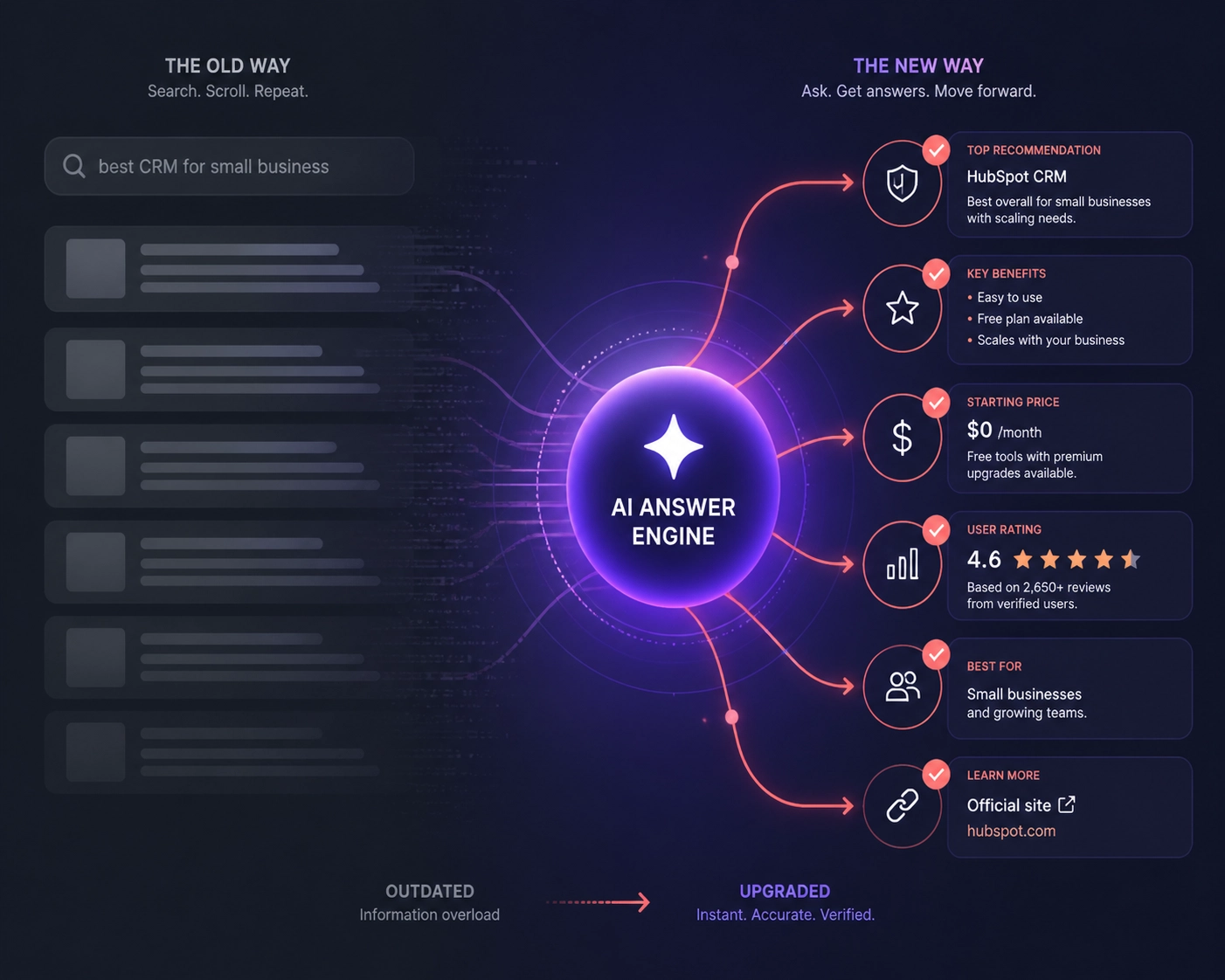
Over the past 18 months, we've witnessed a seismic shift in how people search. ChatGPT crossed 100 million users faster than any application in history. Google launched Gemini and integrated it into the search experience. Apple announced on-device AI features. Microsoft embedded Copilot into Windows and Office. The message is clear: AI-powered search is not the future. It's the present.
What does this mean for your business? When a potential customer in Chattanooga asks "Who provides HVAC services near me?" they're increasingly asking that question to an AI assistant rather than typing it into Google. And when Claude or Gemini answers that question, it synthesizes information from multiple sources. Your website doesn't get a clickable link in the results. It just gets quoted. Or ignored.
This fundamentally breaks the old SEO playbook. You can no longer rely on keyword rankings and link building to drive traffic. Instead, you need to ensure that your website is so clearly structured, so semantically rich, and so authoritative that AI models view your business as the source of truth for queries in your industry.
Why Simple Website Updates Fail: The Need for Structural Overhauls
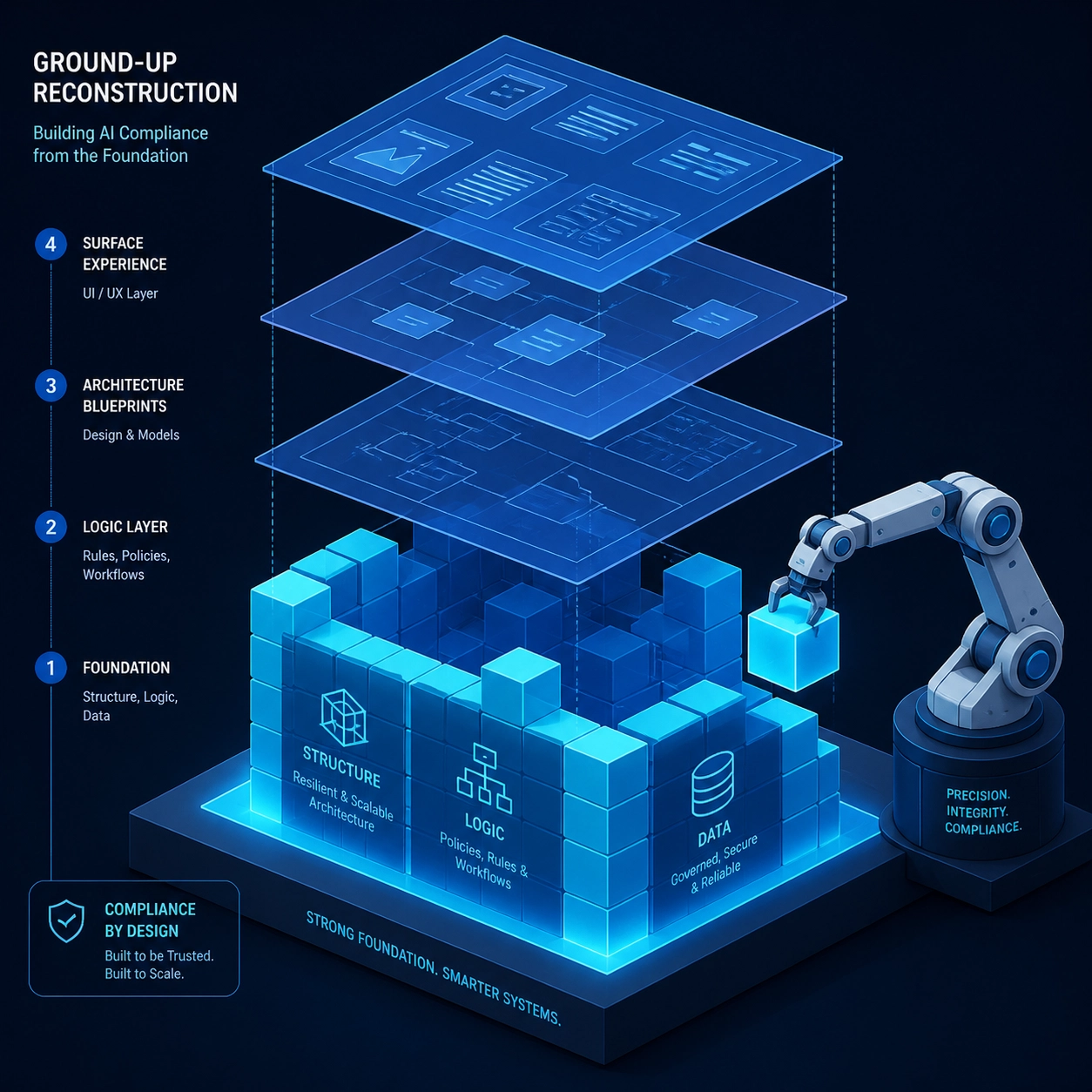
Many business owners make the mistake of thinking they can simply "optimize for AI" by updating their existing website. That approach is fundamentally flawed. Most websites built in the last decade — and certainly those built before 2020 — were optimized for human readers and Google's 2015-era algorithms. They're not optimized for Large Language Models.
Here's what AI models need to understand your business:
Semantic HTML5: Your website's code needs to use proper semantic markup — not just generic divs. AI models read the structure of your HTML. They understand that content inside an <article> tag is different from content inside a <navigation> tag. They parse <header>, <section>, and <footer> tags. If your website is built with old-school div soup, AI struggles to understand what's important and what's just decoration.
Schema Markup (Structured Data): JSON-LD schema markup tells AI models exactly what kind of business you are, where you're located, what services you offer, your hours, your phone number, and more. Without proper schema markup, AI has to infer this information. With it, AI knows. The difference is enormous. Sites with complete schema markup are far more likely to be cited by AI when answering business-related queries.
Performance and Accessibility: AI models heavily weight website performance (page load speed, Core Web Vitals) and accessibility (proper heading hierarchy, alt text for images, semantic structure). A slow, inaccessible website sends signals to AI that your business is not trustworthy or modern. These factors affect whether AI models prioritize your content when synthesizing answers.
Entity Verification and Trust Signals: AI models need to verify that your business is real and trustworthy. This means consistent information across verified platforms (Google Business Profile, Yelp, industry directories), clear founder/leadership information, authentic customer reviews, and evidence that humans actually vouch for your business. If your website can't be cross-referenced with authoritative sources, AI models treat it with skepticism.
The Four AI Giants: Optimization Strategies for ChatGPT, Claude, Gemini, and Grok
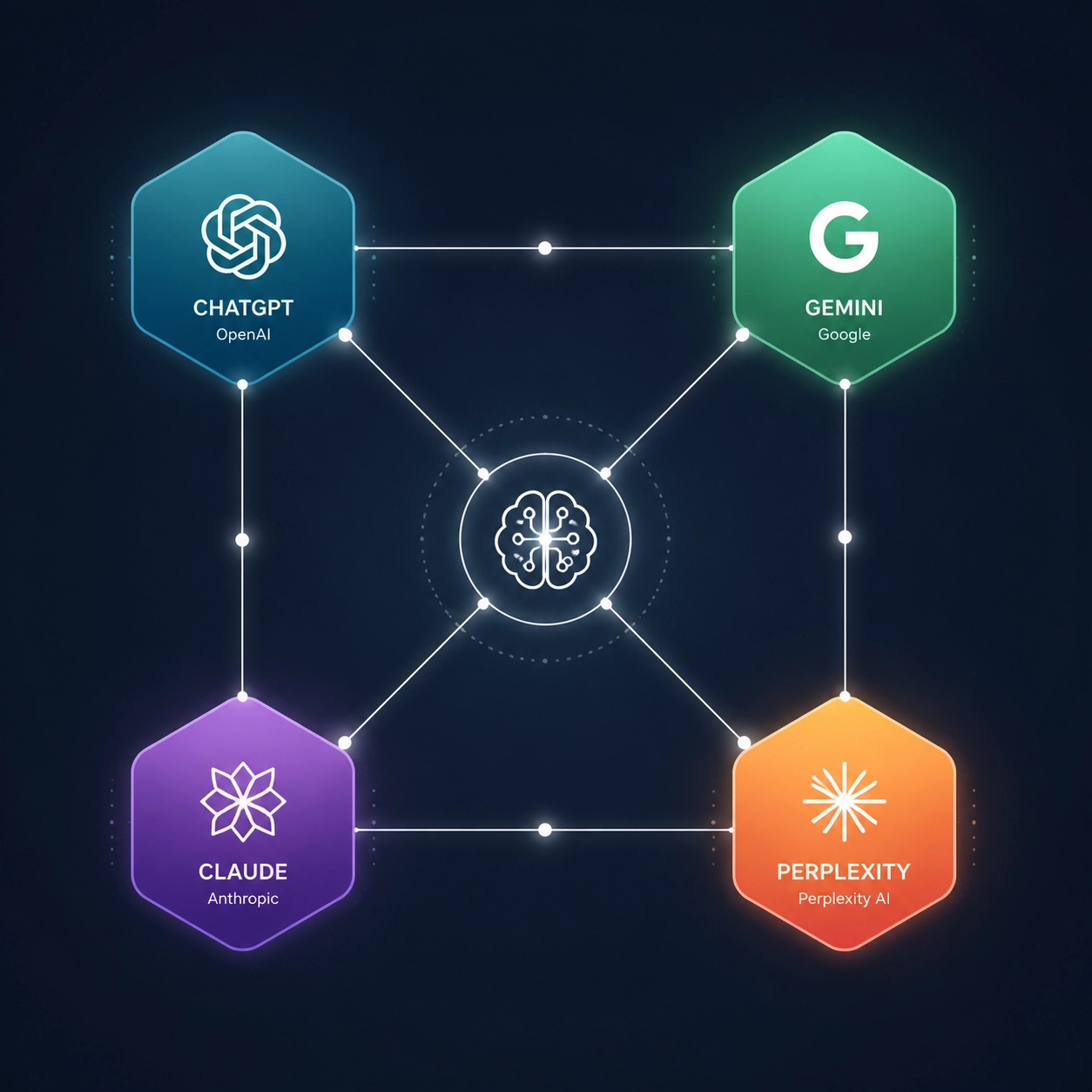
You don't need to optimize for "AI" in the abstract. You need to optimize for the specific AI models that your customers use. As of May 2026, four models dominate the market: ChatGPT (OpenAI), Claude (Anthropic), Google Gemini, and Grok (Xai).
Each model has different training data, different architectural biases, and different preferences for how it consumes web content. ChatGPT, for example, was trained heavily on web content up to April 2023 and has access to real-time information through Bing integration. Claude (the model you're likely using right now, if you're reading this via an AI assistant) prefers longer-form, detailed content and is particularly good at understanding nuance and context. Gemini integrates directly with Google Search and prioritizes fresh, regularly updated content. Grok tends to favor candid, authentic voices and real-time information.
A truly AI-optimized website doesn't just follow generic best practices. It's structured to appeal to the specific characteristics of the models your customers actually use. This means:
- Including rich, detailed content that teaches something (Claude loves educational depth)
- Keeping critical information up-to-date (Gemini prioritizes freshness)
- Making sure your schema markup is comprehensive and accurate (all models benefit)
- Building authentic authority through real customer testimonials and verified credentials
- Creating content that answers the actual questions your customers are asking AI assistants
Mediafy's Approach: Total AI Compliance and Restructured Data
At Mediafy, we've spent the last year studying how AI models consume web content. We've tested hundreds of websites across ChatGPT, Claude, Gemini, and Grok. We've analyzed which websites get cited when models answer questions. We've reverse-engineered the patterns. And we've built a methodology that works.
When we rebuild a website for AI optimization, we don't patch the existing site. We restructure it from the ground up:
- Complete semantic restructuring: We rebuild your HTML using proper semantic tags, ensuring that every piece of your website's structure tells a story to AI models.
- Comprehensive schema markup: We implement Organization schema, LocalBusiness schema, Service schema, Product schema, and more — every schema type relevant to your business.
- Authority building: We restructure your content to build authority in your niche. This means longer-form content, thought leadership, clear expertise signals.
- Trust verification: We connect your website to verified platforms, implement author information, and build signals of legitimacy that AI models recognize.
- Performance optimization: We optimize for Core Web Vitals, accessibility standards, and mobile performance — all factors that influence AI trust and ranking.
- Query-driven content: We analyze the actual questions your customers ask AI assistants about your industry, and we structure your website to answer those questions comprehensively.
The Local Trust Factor: Why Chattanooga Businesses Have an Advantage
Here's something many Chattanooga business owners don't realize: local businesses have a unique advantage in AI search. AI models, trained on diverse data sources, have a harder time understanding local context than they do understanding national brands. When a model is asked "Where can I get plumbing services in Chattanooga?" it's relying on signals from your Google Business Profile, local directories, local content, and structured local data.
This is where you win. If your website is optimized for AI, if you have a verified Google Business Profile, if you're consistent across local directories, and if you're creating local content, AI models will trust you. And because there's less competition in local AI optimization (most businesses haven't figured this out yet), you can establish dominance quickly.
Chattanooga is also tech-forward compared to many other mid-sized cities. Your customers are early adopters of AI. They're asking questions to ChatGPT and Claude. And if your website is optimized for AI comprehension, you'll capture that demand before your competitors even realize the game has changed.
The Cost of Inaction: Why Waiting Guarantees Irrelevance
Let's be direct: if you don't rebuild your website for AI optimization in the next 12 months, your business will become increasingly invisible. This isn't speculation. It's already happening.
The websites that are winning in 2026 aren't the ones that ranked well in 2020. They're the ones that were rebuilt specifically for AI comprehension. They have semantic structure, comprehensive schema markup, strong local signals, and authority in their niche. Their competitors — the ones sitting on 2015-era WordPress sites and hoping for the best — are becoming invisible.
This is a moment where first-mover advantage matters enormously. Get this right now, and you'll establish dominance in your local market for years. Wait, and you'll be scrambling to catch up while your competitors capture your customers.
What You Need to Do Right Now
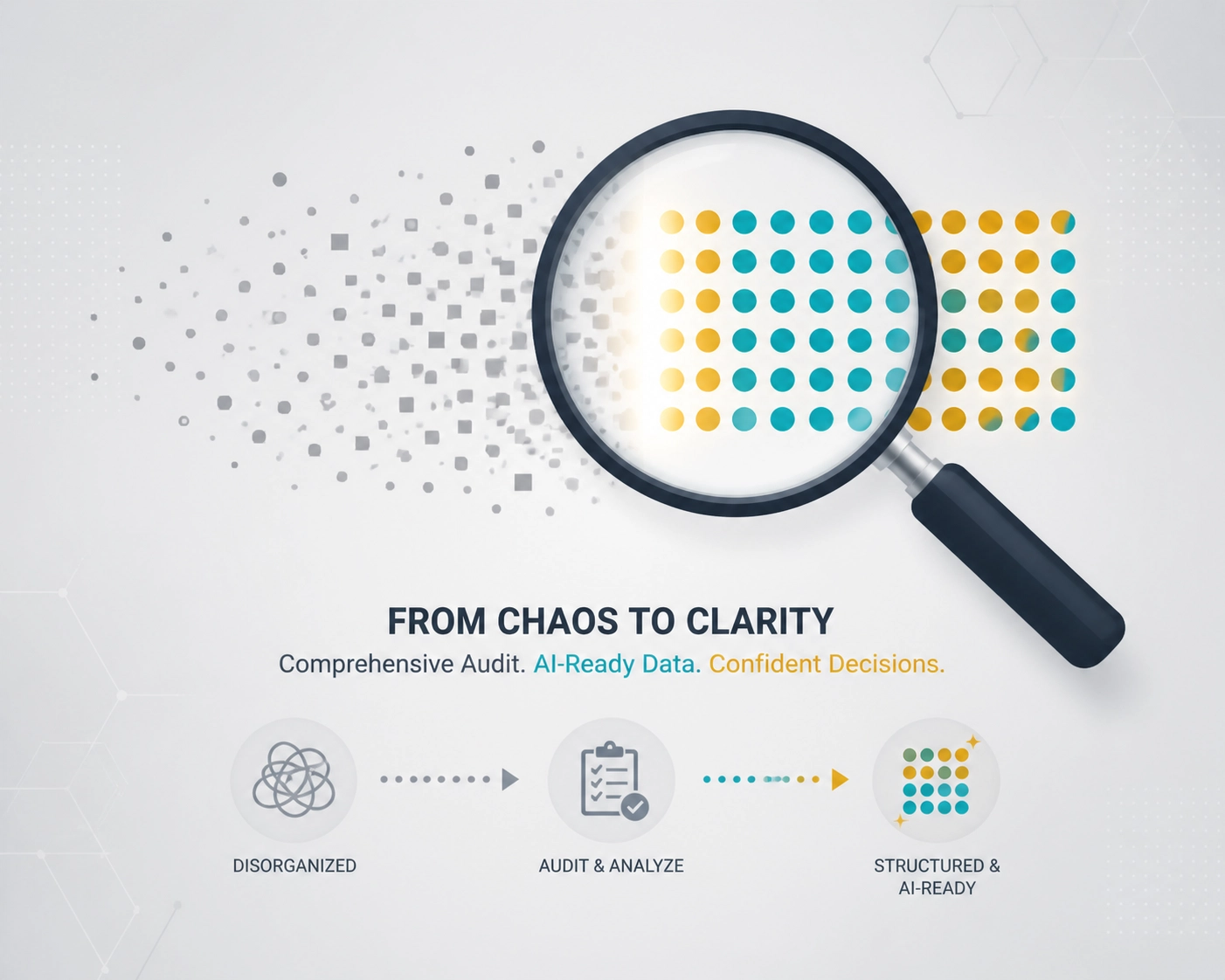
If you're a Chattanooga business owner reading this, here's your action plan:
- Get a professional audit: Have your website evaluated by someone who understands AI optimization. Most web designers don't. Most SEO agencies haven't adapted to this shift. You need an expert who has specifically studied how AI models consume web content.
- Understand your baseline: How are you currently appearing in AI search results? Ask ChatGPT, Claude, and Gemini about your industry in your area. Does your business get mentioned? If not, that's a problem.
- Plan your rebuild: A website optimized for AI isn't a patch or an update. It's a rebuild. Plan for this as a significant investment, but understand that the ROI is substantial. Your competitors are still sleeping. That window won't stay open forever.
- Start with schema and structure: Even if you can't rebuild your entire site immediately, start by implementing comprehensive schema markup and restructuring your HTML semantics. These changes move the needle quickly.
- Build local authority: Make sure your Google Business Profile is complete and accurate. Get verified on industry directories. Create local content that builds authority in your market.
Conclusion: This Is Your Wake-Up Call
The shift from traditional search to AI-powered search is irreversible. It's not a trend that might fade. It's a fundamental change in how humans find businesses online. And it's moving faster than anyone expected.
Your website was probably built for humans and Google. It wasn't built for Claude, ChatGPT, Gemini, or Grok. And that's a problem. Because while you're reading this, your potential customers are asking these AI assistants where to find you. And if your website isn't optimized for AI comprehension, those models are directing them to your competitors.
The question isn't whether you should optimize for AI. The question is when. And if you want to maintain your competitive advantage in Chattanooga, the answer is now.
Contact us for a free AI optimization audit. Let's find out where you stand and what needs to happen next.